
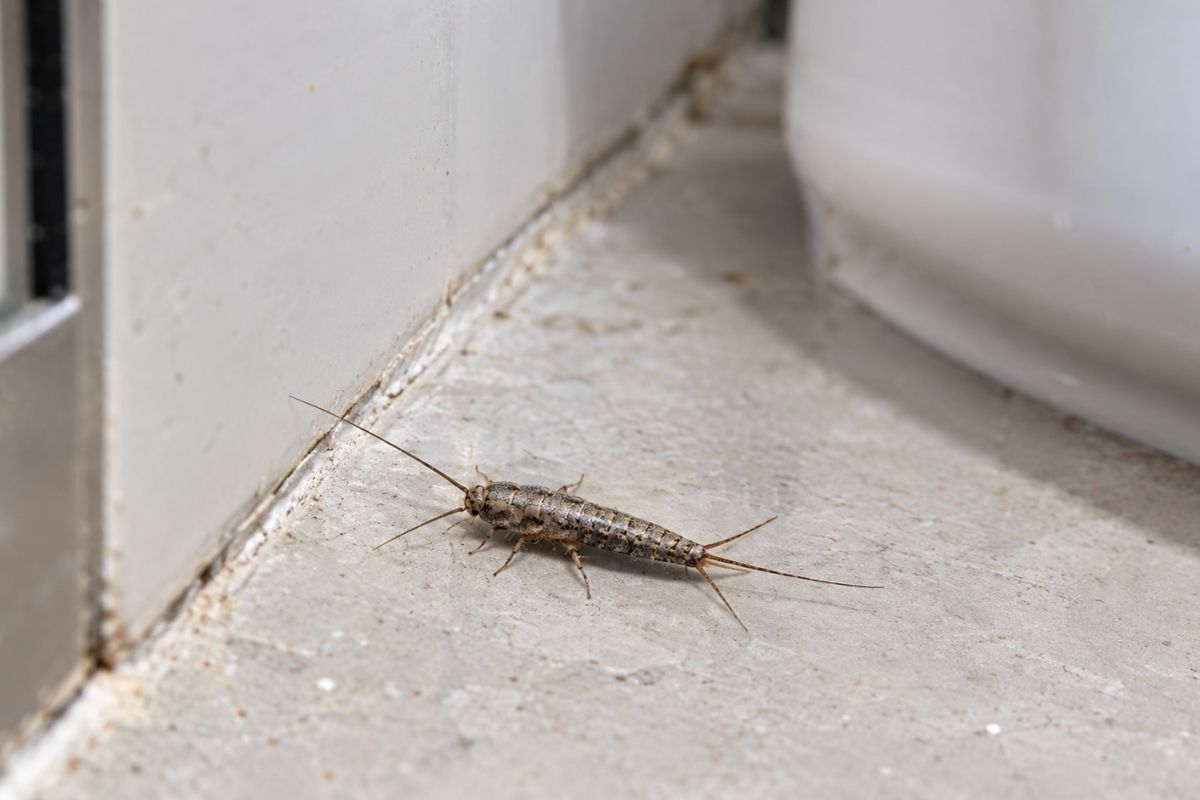
You know what really gets on my nerves? Turning on the bathroom light and seeing something tiny and silver dart along the baseboard. What annoys me even more is advice telling you to spray every corner of the house, as if one bottle could solve the whole problem. I had to calm down a little and set aside some time to write about it.
If you’re wondering how to get rid of silverfish, start by reducing excess moisture, vacuuming along baseboards, and placing sticky traps where you’ve spotted them. If your search for silverfish in house leads you beyond the bathroom, check stored paper and pantry shelves. The important part is figuring out what attracts silverfish to each room.
What Attracts Silverfish and Why Do They Appear Indoors?
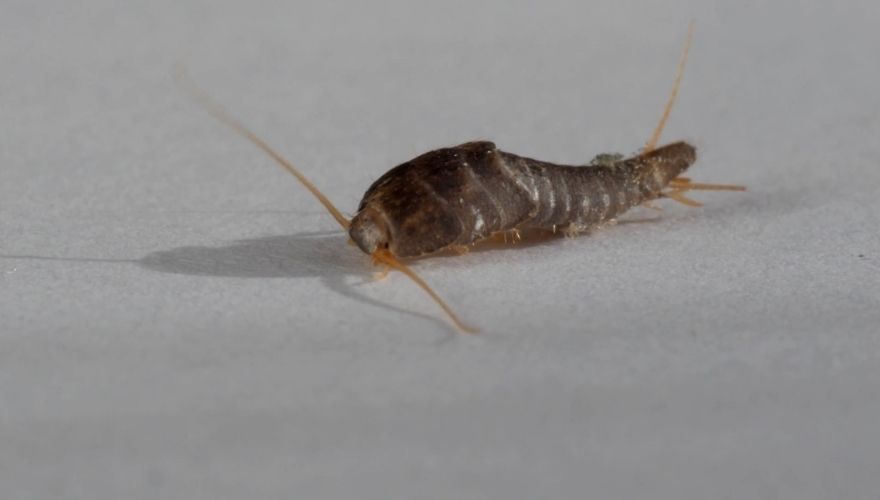
Silverfish are small, wingless insects with silver-colored bodies and three thin appendages at the rear. They’re most active at night, which explains why you often spot them when you turn on the light. According to the
University of California’s pest guide, silverfish prefer damp hiding places and feed on materials containing starch. They can damage books and wallpaper. They don’t bite people, although large populations can damage belongings stored for long periods.
Moisture helps them survive, and narrow cracks provide shelter. Dust and paper in a poorly ventilated closet can make conditions even better for them.
That’s why silverfish in house can become a problem even when you keep everything tidy. Sometimes a small section of wall behind a cabinet stays damp for weeks, and you have no idea it’s happening.
Start With the Damp Corners Under Your Bathroom Sink
When someone mentions a silverfish bathroom problem, the space beneath the sink is the first place I’d check. There are pipe connections down there, condensation can accumulate, and who regularly moves every bottle out of the cabinet to inspect the wall?
For how to get rid of silverfish near bathroom plumbing, I would start with two fairly simple jobs.
1. Check How Long Moisture Stays in the Bathroom

The EPA recommends indoor humidity between 30% and 50%. That’s a general indoor air quality recommendation, although silverfish can still remain in hidden areas when room humidity falls within that range.
A small hygrometer can show how high the humidity gets after a shower and how long it takes to decrease.
Run the exhaust fan during your shower and afterward until the moisture drops. Open a window when outdoor conditions allow. I’ve written about my morning ventilation habit, which I had to adjust after our family moved from Denver to New York City.
Check the pipes beneath the sink with a dry cloth, too. If water appears around the same connection again, have the leak repaired.
2. Clean the Spots You Usually Skip
For anyone researching how to get rid of silverfish in a bathroom, I recommend starting with a few small jobs:
- Vacuum along the baseboards and behind the toilet.
- Remove dust beneath the vanity and dry the surface.
- Move cardboard cosmetic packaging off damp floors.
- Inspect cracks around pipes and along wall joints.
Pay particular attention to the floor around the shower. If water repeatedly collects near the same joint, inspect the caulking and surrounding material.
A recurring silverfish bathroom problem may require a plumbing repair. Surface cleaning alone won’t correct a leak behind the wall.
Silverfish Traps: How I’d Find Their Hiding Places
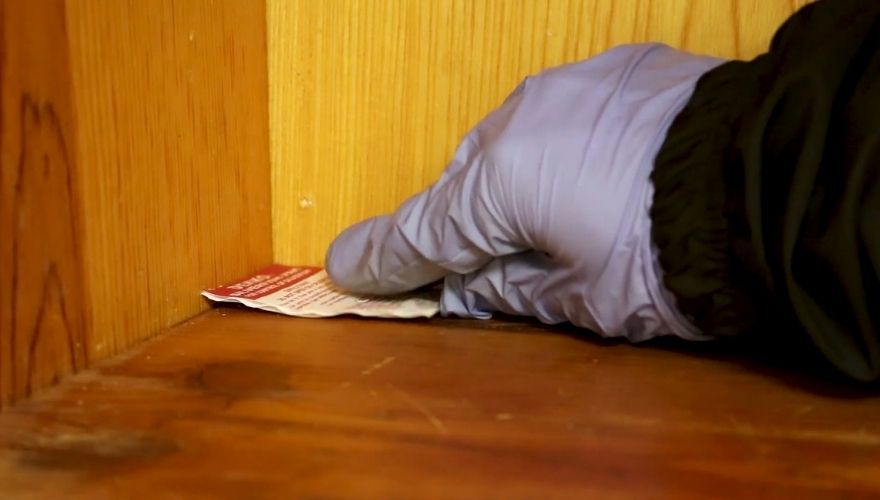
I hate spending time cleaning areas when I have no idea where the problem actually is. That’s why silverfish traps seem like a sensible place to start.
NC State University entomologists recommend sticky traps to identify areas with greater insect activity. Sticky traps sold for cockroaches can also work.
Place silverfish traps along baseboards behind the toilet or near the back of a cabinet. Choose dry locations that children and pets cannot reach.
For a firsthand perspective, watch “My Experience After Using The Dekko Silverfish Packs” by Ry Recommends, where the creator shares his experience with a silverfish control product.
What Can the Location of a Trap Tell You?
| Trap Location | What Else to Inspect | What the Results May Suggest |
| Behind the toilet | Floor joints and pipe connections | More activity here warrants a plumbing inspection |
| Near a bookshelf | Damaged bindings and paper fragments | Stored books may need closer inspection |
| Beside a kitchen cabinet | Dry food packaging and wall openings | Check food storage and possible hiding places |
Table: Suggested trap locations and follow-up checks based on common silverfish habitats described by the University of Florida Extension. The interpretations are my suggested household checks.
If your silverfish traps remain empty but you continue seeing insects, move them closer to the areas where you notice activity. One empty trap doesn’t prove the problem has disappeared.
When researching how to get rid of silverfish, I would pay attention to changes over time. Comparing catches from the same locations can help you judge the results.
Silverfish in House: Check Books, Storage Boxes, and Food
If you’re finding silverfish in house areas such as bedrooms or storage closets, I’d change where I look first. Start behind bookshelves, especially where items have sat untouched for months. Cardboard boxes in a damp basement deserve attention as well.
The National Pest Management Association recommends sealed plastic bins for paper items and tightly closed containers for dry foods.
For how to get rid of silverfish in storage areas, pull out boxes that sit directly on the floor. Inspect their contents and vacuum behind them. Keep important papers in sealed containers, especially in the basement.
There’s another detail people often overlook.
Silverfish sometimes end up in bathtubs or sinks because they fall over the edge and cannot climb the smooth surface. Iowa State University describes exactly that behavior.
So a silverfish bathroom sighting inside the tub doesn’t automatically mean insects are coming up through the drain.
Should You Use Sprays to Get Rid of Silverfish?
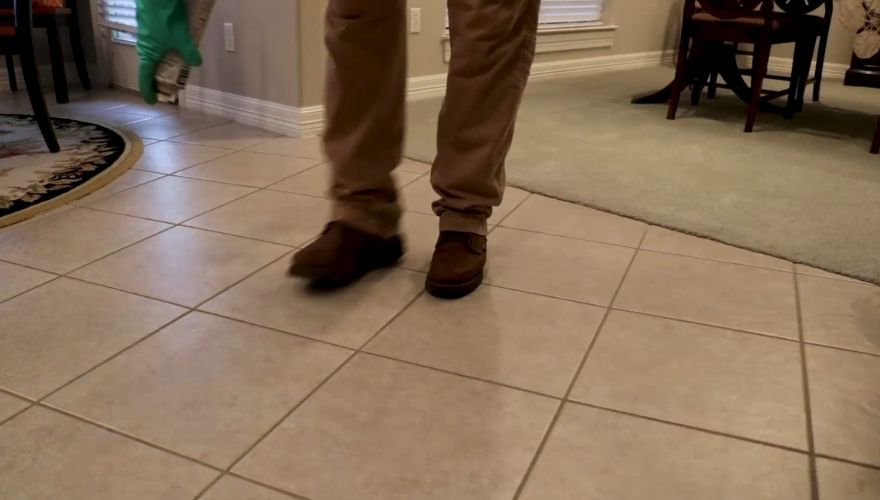
I completely understand wanting to buy something that gets the job done immediately. I have very little patience for household chores that keep coming back.
Still, when considering how to get rid of silverfish with insecticides, product selection matters, especially in a bathroom your family uses every day.
The National Pesticide Information Center explains why pesticides must be used only in locations listed on their labels. A product approved for outdoor use should stay outdoors unless its label also permits indoor application. Check that the product is intended for silverfish and for the specific treatment area.
I’d also avoid scattering borax or diatomaceous earth across surfaces accessible to children or pets. Insecticidal dusts require proper formulations and application according to their labels.
For how to get rid of silverfish with fewer unnecessary chemicals, I’d start with moisture control and appropriate traps.
If insects continue appearing throughout several rooms despite those efforts, a pest control professional can inspect their hiding places and determine if targeted treatment is necessary.
How Can You Tell If the Silverfish Are Gone?
Let’s say you’ve discovered moisture beneath the sink, repaired the leak, and placed traps.
What happens next?
If catches decrease at the same locations, continue checking humidity and inspect the plumbing occasionally. If trap catches increase or you discover damaged belongings elsewhere, expand your inspection.
When deciding how to get rid of silverfish in a home with several bathrooms, I’d record the results separately for each room. You can add a quick trap inspection to your weekly cleaning schedule. It takes very little time and gives you a record of where the insects remain active.
If you’re dealing with silverfish in house across multiple rooms, photograph an insect for identification. Some closely related species prefer different conditions, so identifying the pest can help prevent unnecessary treatments.
And if you’re wondering what attracts silverfish after you’ve already cleaned, check the hidden areas again. A damp wall behind furniture or an overlooked storage box may explain why the activity continues.
I Have Enough Housework Without Adding Silverfish to the List
After more than twenty years of household chores, few things annoy me more than a small problem that turns into an entire afternoon of work.
That’s why my approach to how to get rid of silverfish starts with finding the cause before buying another product.
Once you’ve identified what attracts silverfish to a particular area, you can focus your efforts there.
And when I’m finally finished with a household job, I’d much rather spend the rest of the evening watching a good movie. There will be plenty of other chores tomorrow.